

History of the Sandro Pertini Art Museum on the Priàmar

The Sandro Pertini Art Museum , housed within the Priamar fortress in Savona, houses the private collection donated by the former President of the Republic to his hometown. Inaugurated on November 23, 1991, with a ribbon-cutting ceremony by Carla Voltolina, Pertini's widow, and the highest officials of the Italian state, the museum represents a unique chapter in the Italian museum landscape.
Sandro Pertini's donation to Savona
Pertini had expressed to his wife his desire to donate to the city of Savona the works of art he had collected over a lifetime, kept in his Roman apartment overlooking the Trevi Fountain. The collection comprises 169 works, including paintings, sculptures, and works on paper: a collection that reveals a little-known side of Pertini, that of an art enthusiast and collector.
What the collection tells: Pertini's dearest themes
Pertini's gaze as a collector combined figurative and abstract, realism and informalism, around themes deeply dear to him: the Resistance, the fight against injustice, the defense of workers, freedom and peace. He was also drawn to the communicative power of art, even in its most avant-garde forms.
A great communicator himself, he was convinced of the superiority of artistic language over political language. He confided this to sculptor Umberto Mastroianni in 1983, during a visit to the artist's studio to view the model for the Peace Monument for Cassino, a town devastated by war: for Pertini, artists were the "true politicians," capable of representing the historical moment with an authority that politics lacks.
The inauguration in Savona
On November 23, 1991, the Sandro Pertini Art Museum opened on the Priàmar in Savona: the ribbon was cut by Carla Voltolina, widow of the beloved former President, and the highest officials of the state: an exceptional event for the city.
Pertini had expressed to his wife his desire to donate to his beloved city the works of art he had collected over the course of his life, which covered much of the walls of their apartment overlooking the Trevi Fountain in Rome. The collection (169 pieces, including paintings, sculptures, and works on paper) is unique in the Italian museum landscape, revealing a still little-known aspect of Sandro Pertini's life: his passion for art.
Pertini collector
Pertini the collector's eye brought together figurative and abstract, realism and informal, in pursuit of themes dear to him—the Resistance, the fight against injustice, the defense of workers, freedom and peace—but he was also drawn to the communicative power of artistic language, even the most avant-garde. A great communicator, he firmly believed in the communicative superiority of art over politics. "You artists are the true politicians. Since you insert yourselves authoritatively into history, you represent its finest moments. [...] Much, I believe, depends on the emotion you are able to arouse. The allure of art, of music, however mysterious, arrives before our ideas do in stimulating consciences," he confided to Umberto Mastroianni during a meeting in 1983 in the sculptor's home studio to view the model for the Peace Monument intended for Cassino, a town devastated by war (Museo d'arte cit., p. 18). Because Pertini, starting immediately after the war, loved visiting artists in the places of creation, fascinated by the concepts and ideals that took shape through artistic creation, then cultivating intellectual relationships and friendships over the years, of which some correspondence and handwritten notes, or dedications, remain, which can be found written on many of the works in his collection.


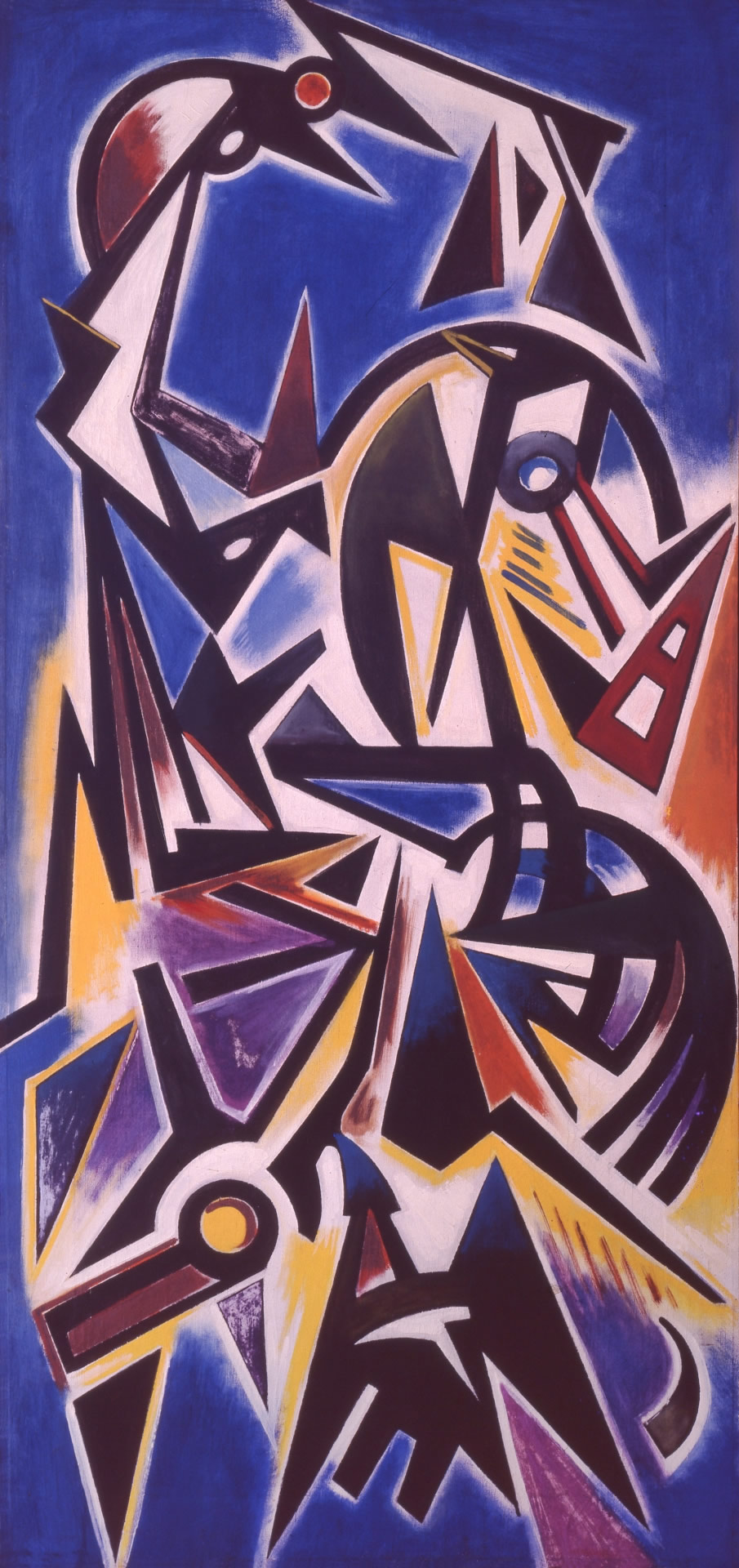
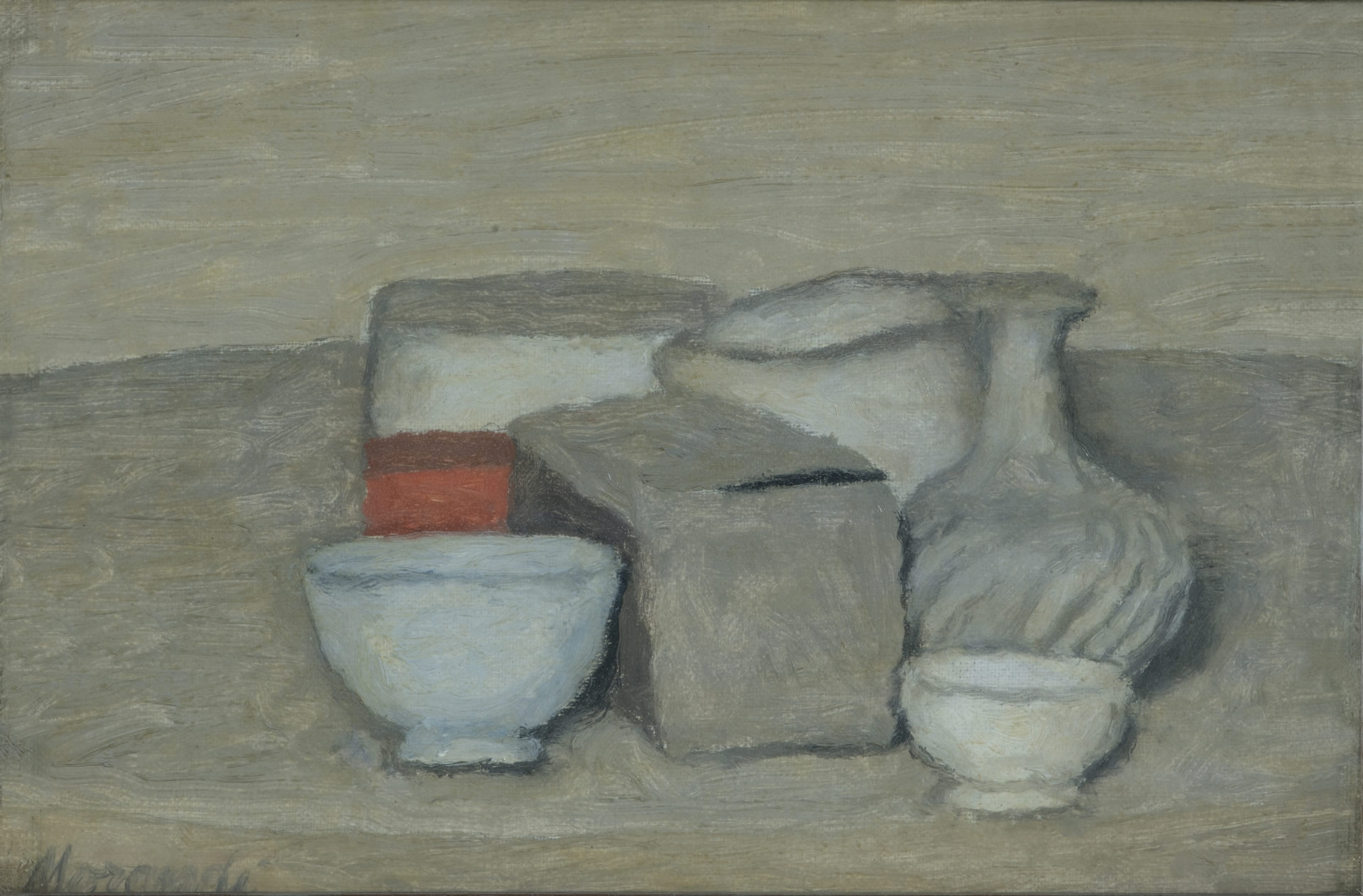
Until August 31st, a selection of 28 works from this important collection (Giorgio Morandi, Renato Guttoso, Ottone Rosai, Aligi Sassu, Emilio Vedova, Giò Pomodoro) is the protagonist of the major exhibition organized at the Museo del '900 (M9) in Venice Mestre, curated by the Fondazione Museo del '900 with the collaboration of the Museums Service of the Municipality of Savona, awarded the gold medal by President Mattarella.
On the occasion of the exhibition, a new temporary installation has been designed for the museum hall hosted on the Priàmar (Works in movement: https://musa.savona.it/musa/museo-cuneo-pertini/opere-in-movimento/): a series of panels, specially created to replace the paintings and sculptures on loan to the M9, restores the path taken in Venice Mestre, discovering through art who Pertini really was, the anti-fascist, the partisan, the politician, but also a man of great sensitivity and attachment to his family and his land.
Useful information for your visit
The Sandro Pertini Art Museum is located inside the Priamar Fortress , in the heart of Savona's historic center, and can easily be combined with visits to the fortress's other museums (the Civic Art Gallery and the Archaeological Museum). For more information: https://musa.savona.it/musa/museo-cuneo-pertini/